 Health Guide
Your Blood Pressure Numbers: What They Actually Mean and What To Do About Them
A plain-English guide to the reading your GP gives you — and why it matters more than most people realise.
If you have ever left a doctor's appointment clutching a number like 138 over 87 and felt no clearer about whether to be worried, you are not alone. Blood pressure is one of the most commonly measured health indicators in the UK, and one of the least well understood by the people it is measured in. At Vibrant Health Advocates Aberdeen, we hear versions of this confusion regularly. This guide is our attempt to change that.
Blood pressure is recorded as two numbers. The first, higher number is your systolic pressure — the force your heart exerts when it beats and pushes blood through your arteries. The second, lower number is your diastolic pressure — the pressure in your arteries between beats, when your heart is resting. Both matter. A reading is written as systolic over diastolic, measured in millimetres of mercury (mmHg).
The numbers at a glance
- Normal: between 90/60 and 120/80
- Elevated (pre-hypertensive): 120/80 to 140/90
- High blood pressure (hypertension): consistently above 140/90
- Low blood pressure: below 90/60
The NHS considers a normal blood pressure to be between 90/60 and 120/80. A reading consistently above 140/90 is classified as high blood pressure, or hypertension. Between 120/80 and 140/90 sits a range sometimes described as elevated or pre-hypertensive — not yet a diagnosis, but a signal worth taking seriously. Low blood pressure (below 90/60) can also cause problems, particularly dizziness and fainting, though it is less commonly associated with long-term cardiovascular risk.
Hypertension is sometimes called the silent condition because it rarely causes symptoms until it has already done damage. It is a major risk factor for heart attack, stroke, kidney disease, and vascular dementia. In Scotland, around a third of adults are estimated to have high blood pressure, and a significant proportion of them do not know it. This is why free blood pressure checks — which we offer at our Aberdeen drop-in sessions — matter so much.
The good news is that blood pressure responds well to lifestyle changes, particularly in the early stages. Reducing salt intake, increasing physical activity, managing stress, limiting alcohol, and maintaining a healthy weight can all produce meaningful improvements. Even a reduction of five points in your systolic reading carries measurable cardiovascular benefit over time.
Medication is also safe, effective, and widely available when lifestyle changes are insufficient. If your GP has recommended antihypertensive medication, taking it consistently is one of the highest-impact decisions you can make for your long-term health. Stopping because you feel fine is a common mistake — hypertension rarely makes you feel unwell even when it is doing harm.
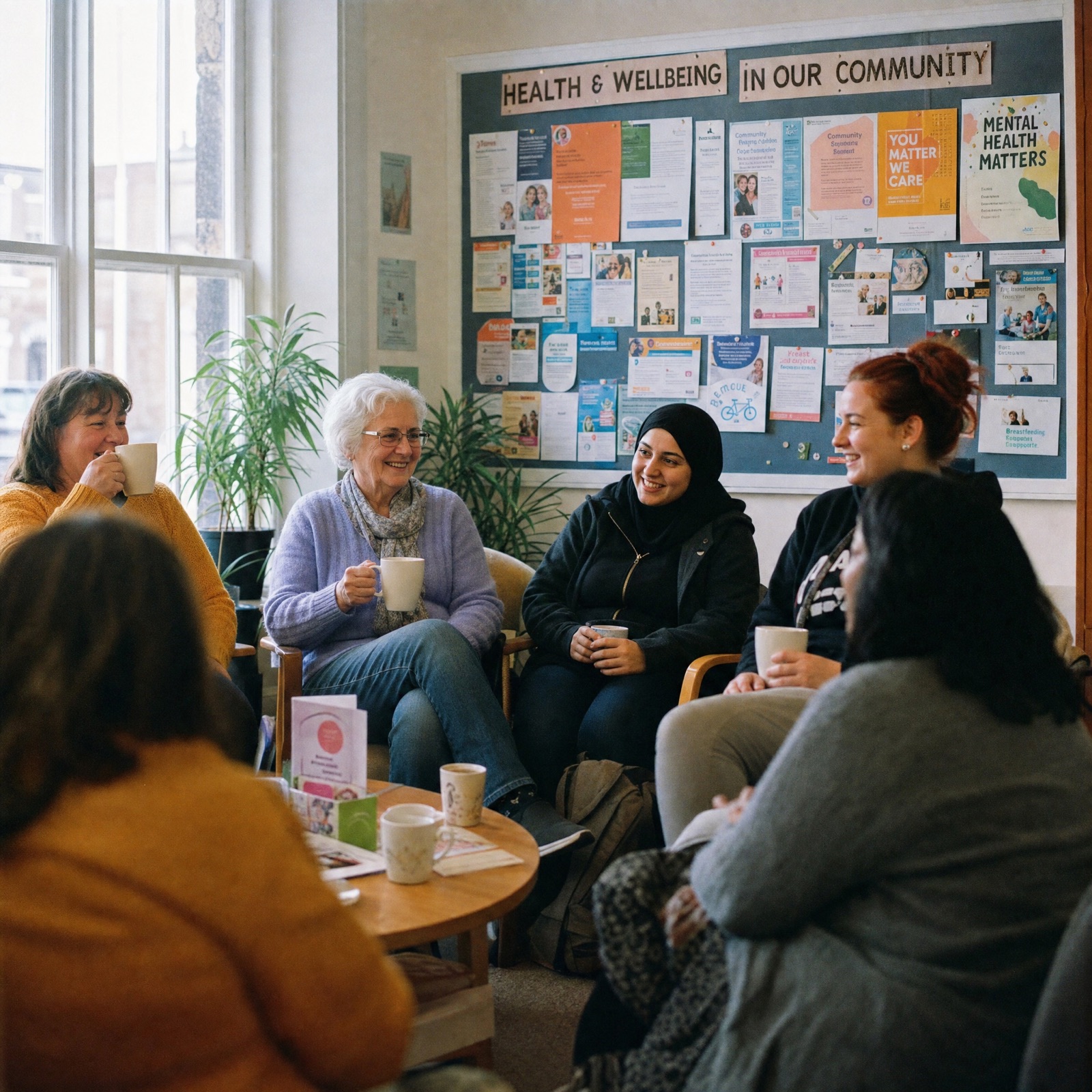
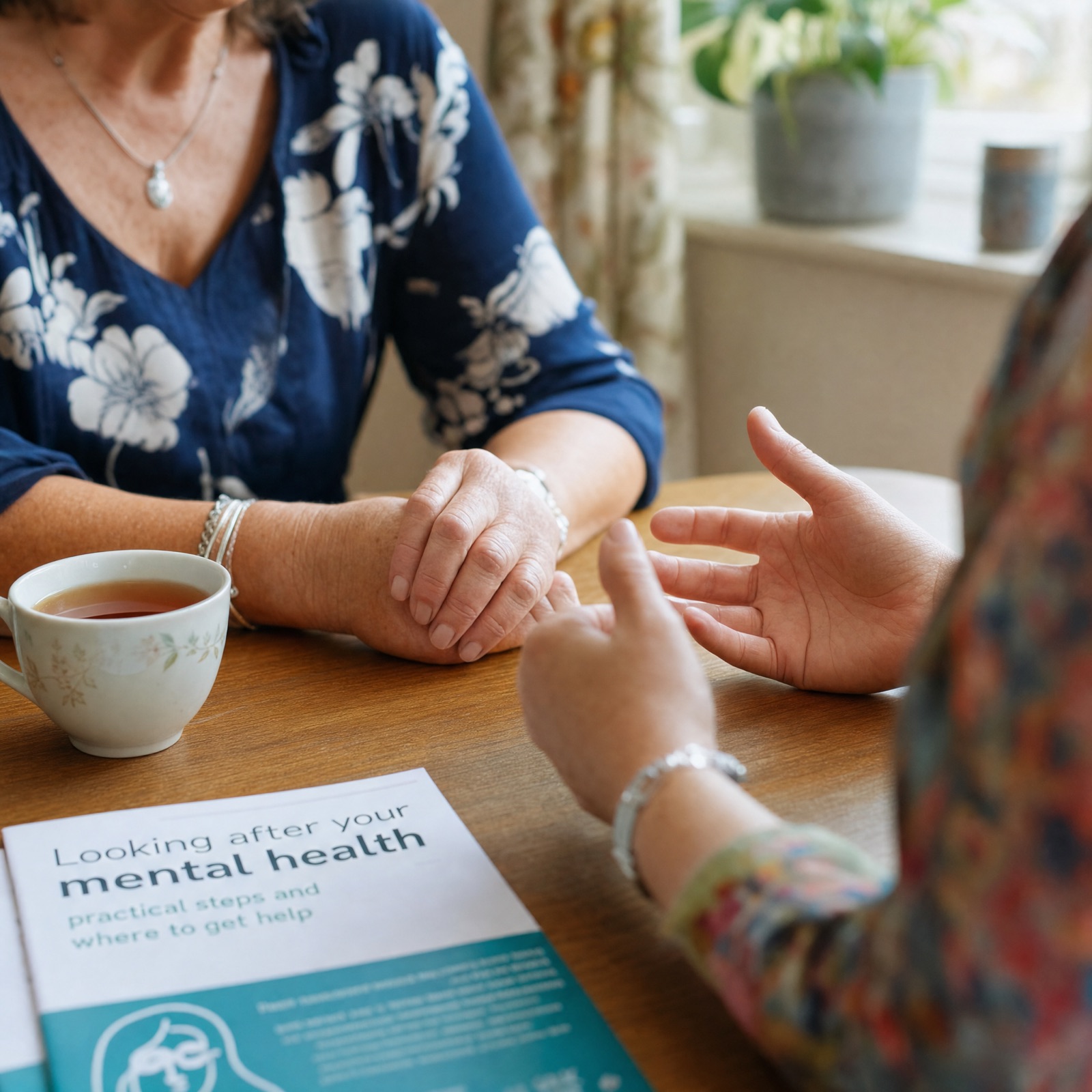
If you are unsure of your current blood pressure reading, or if you have not had it checked in the past year, please come to one of our free community health drop-ins. Our trained volunteers can take a reading, explain what it means in plain language, and help you decide on next steps. No appointment necessary. You can find our current schedule on this website or by calling our Aberdeen office directly.
Free blood pressure checks in Aberdeen
Our community drop-in sessions offer free, informal blood pressure checks with a plain-English explanation. No appointment, no referral, no fuss.
Find a drop-in near you